
Finding the right construction bid opportunities can feel like searching for a needle in a haystack. You spend hours scouring bid boards, filling out paperwork, and chasing leads—only to discover the project was awarded to someone else weeks ago.
If this sounds familiar, you are not alone. Thousands of general contractors and subcontractors struggle to find qualified, profitable bids that match their expertise and capacity.
But what if there was a smarter way? A way to find vetted, local, and commercial construction bid opportunities delivered directly to you—without the endless searching?
In this guide, we’ll break down exactly how to find, qualify, and win more construction projects in 2026. Plus, we’ll show you how platforms like contractorslist.com are changing the game with AI-powered tools and exclusive bid networks.
Let’s dive in.
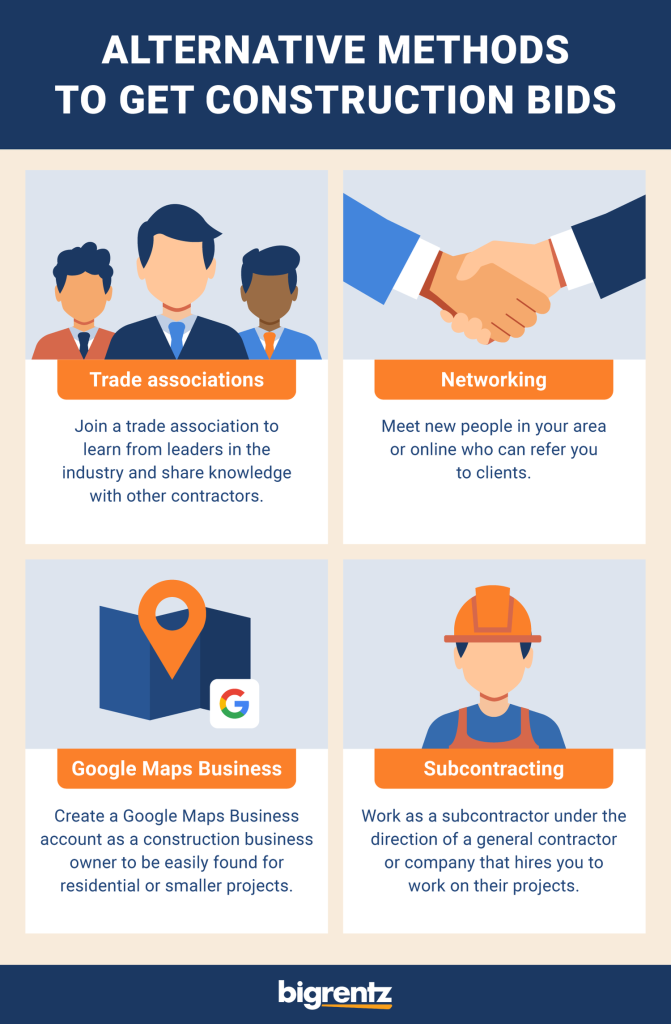
What Are Construction Bid Opportunities?
Construction bid opportunities are formal invitations for contractors to submit proposals for a specific project. These can range from small residential remodels to massive infrastructure projects like hospital expansions or bridge replacements.
Bids typically fall into three categories:
- Public Bids: Government or municipal projects (schools, roads, parks) that are legally required to be open for public competition.
- Private Bids: Commercial or residential projects from private companies or homeowners.
- Invitation to Bid (ITB): Exclusive opportunities sent directly to a select group of pre-qualified contractors.
The challenge? Public bids are often overcrowded, while private and ITB opportunities can be hard to find unless you have the right connections or technology.
Why Most Contractors Struggle to Win Bids
Even when you find good construction bid opportunities, winning them is another battle. Here are the three most common mistakes:
1. You’re Wasting Time on the Wrong Leads
Bidding on every project that comes your way is a recipe for burnout. If a project doesn’t align with your trade, location, or capacity, you’re better off passing.
2. Your Estimates Are Inaccurate or Too Slow
In today’s market, speed matters. If you’re still manually measuring takeoffs or guessing material costs, you will consistently lose to contractors using automated tools.
3. You Lack Access to Exclusive Networks
Many of the best construction bid opportunities never hit public boards. They are shared within private ITB networks or through platforms that pre-verify contractors.
The solution? Stop working harder and start working smarter.
How to Find High-Quality Construction Bid Opportunities
You don’t need to chase every lead. You need the right leads delivered to you. Here’s how to build a steady pipeline of profitable bids:
Leverage Verified Contractor Networks
The first step is joining a platform that pre-screens both contractors and project owners. When you use a trusted network like contractorslist.com, you eliminate the risk of fake leads or unpaid bids.
These platforms verify licenses, insurance, and past work—so you only see legitimate construction bid opportunities from serious clients.
Use AI-Powered Takeoff and Estimation Tools
Imagine being able to calculate material and labor costs for a 50,000 sq ft roof replacement in minutes instead of hours. That’s exactly what AI takeoff tools do.
By automating the most time-consuming parts of estimating, you can:
- Submit bids faster than competitors
- Reduce costly calculation errors
- Take on more projects without hiring extra staff
Focus on Commercial and Government Projects
While residential work is steady, commercial and government construction bid opportunities often have higher budgets and longer timelines. Examples from real projects include:
- Hospital emergency wing expansions
- Municipal water main crossings
- Public school roof replacements
- Park lighting and infrastructure upgrades
These projects typically range from $18,000 to over $120,000, making them highly profitable for mid-sized contractors.
The Role of AI in Modern Construction Bidding
Artificial intelligence is no longer a futuristic concept—it’s a practical tool that is transforming how contractors find and win bids.
Here are three ways AI can give you an edge:
Smart Lead Processing
AI can scan hundreds of project listings in seconds, flagging only those that match your trade, location, and past success. This means you stop wasting time on irrelevant bids.
Automated Estimations
Modern AI tools can perform digital takeoffs from blueprints and automatically calculate material quantities, labor hours, and even local material prices. Some platforms now offer AI-powered smart estimators that learn from your past bids to improve accuracy over time.
24/7 Bid Assistance
Imagine having a virtual assistant that never sleeps. Some platforms now offer AI voice agents that can answer client calls, qualify leads, and even schedule site visits—all while you focus on completing current projects.
“We learned of ways to service our customers and become a bigger blessing to them.” – Cesar Gonzalez, Contractor
Step-by-Step: How to Start Winning More Bids Today
Ready to transform your bidding process? Follow this simple plan:
Step 1: Join a Verified Contractor Network
Stop using generic bid boards. Sign up for a platform that verifies both contractors and project owners. This alone will eliminate 80% of wasted effort.
Pro tip: Platforms like contractorslist.com offer free project posting for homeowners and paid tools for contractors—creating a high-quality, two-sided marketplace.
Step 2: Automate Your Estimating Process
If you’re still using spreadsheets or manual takeoffs, invest in an AI takeoff tool. The upfront cost pays for itself after your first few successful bids.
Step 3: Focus on Your Niche
Don’t bid on everything. Specialize in the types of projects you can complete faster and better than anyone else. Whether it’s healthcare, education, or infrastructure, become the go-to expert in that area.
Step 4: Track Everything
Use a contractor dashboard to monitor:
- Which bids you win or lose
- Average response time
- Profit margins per project type
Over time, this data will show you exactly where to focus your energy.
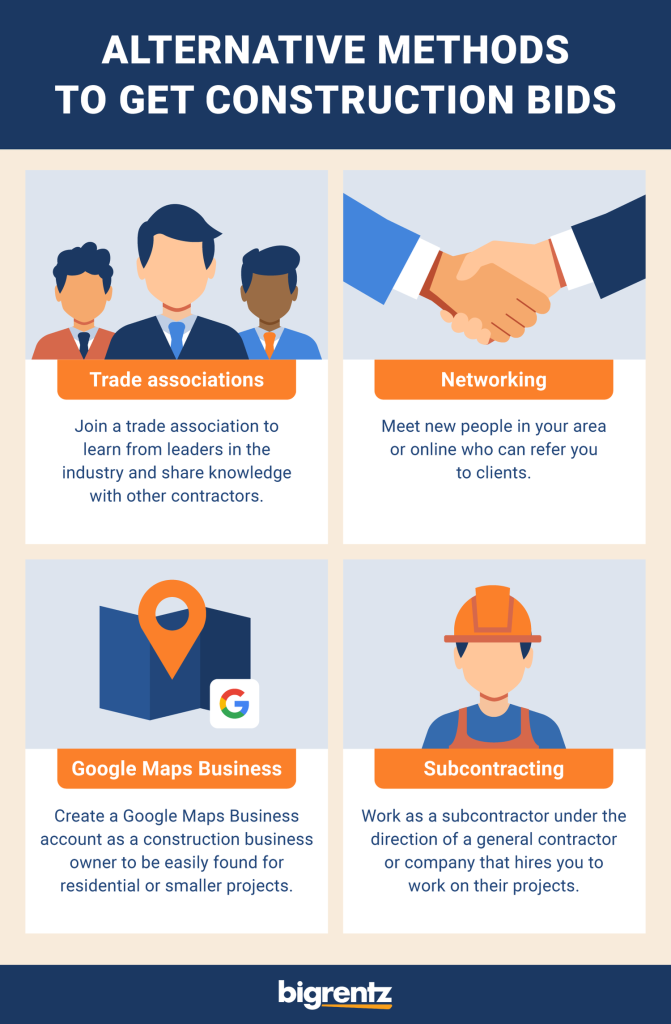
Real Examples of Profitable Construction Bid Opportunities
To give you a clearer picture, here are three real project types that regularly appear on verified networks:
| Project Type | Location Example | Budget Range | Deadline |
|---|---|---|---|
| Hospital Emergency Wing Expansion | Round Rock, TX | $26,000 – $63,000 | March 2026 |
| Public Lighting Upgrade (LED) | Austin, TX | $18,000 – $126,000 | June 2026 |
| School Roof Replacement (50k sq ft) | Georgetown, TX | $41,000 – $105,000 | May 2026 |
These are exactly the kind of construction bid opportunities that verified platforms deliver directly to qualified contractors.
Common Questions About Construction Bidding
Do I need a license to bid on commercial projects?
Yes. Most commercial and government projects require valid state licenses, insurance, and sometimes bonding. Verified networks check these credentials before allowing you to bid.
How long does it take to hear back after submitting a bid?
It varies. Small residential projects may respond in days, while large government bids can take 4–8 weeks. The key is to keep your pipeline full so you’re never waiting on one single bid.
Is AI estimating accurate?
When used correctly, AI estimating is highly accurate—often more so than manual methods because it eliminates human calculation errors. However, always review AI-generated estimates before submitting.
Final Thoughts: Your Next Move
The construction industry is changing fast. Contractors who embrace verified networks, AI-powered tools, and smart bidding strategies will leave their competitors behind.
You don’t need to be the biggest contractor to win the best projects. You just need to be the most prepared, the fastest to bid, and the easiest to trust.
Ready to start winning more construction bid opportunities?
Join thousands of contractors who have already switched to a smarter way of working. Visit contractorslist.com today to explore AI-powered lead generation, instant takeoff tools, and exclusive ITB networks.
