
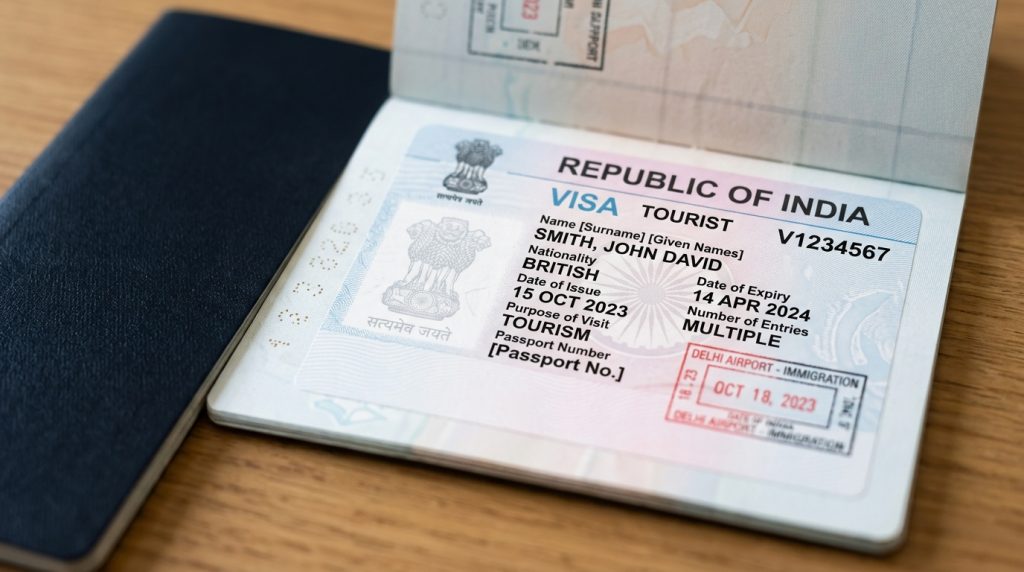
The incredible cultural heritage, architectural wonders, and booming economic landscapes of India continue to attract a massive influx of international tourists and corporate investors. To welcome this growing global audience, the Indian government has fully modernized its entry architecture, transitioning from slow consular workflows to automated web portals. While these digital advancements have eliminated immense administrative friction, travelers must remain completely aligned with immigration protocols. Understanding how to manage your entry documentation properly ensures that your South Asian journey remains safe, smooth, and enjoyable from touchdown to departure.
Understanding Validity Frameworks and Entry Restrictions
A successful international journey hinges on securing proper travel authorization well before arriving at the airport check-in counter. Under the current digital framework, traditional, time-consuming embassy visits have been largely replaced by an automated electronic visa system. This network processes applications online and securely links the digital clearance directly to a traveler’s passport data. However, maximizing the convenience of this online ecosystem depends on an applicant’s ability to interpret their travel documents accurately.
One of the most common mistakes travelers make is confusing the date an electronic document is issued with the actual timeframe permitted for physical stay within the country. To ensure total compliance with international border regulations, it is critical to carefully review your issued paperwork and fully comprehend the structural rules governing INDIAN VISA VALIDITY. Depending on whether you have applied for a 30-day, 1-year, or 5-year permit, the validity window dictates the exact timeframe within which your physical entry must occur. Furthermore, while long-term permits offer multiple-entry privileges over several months or years, they enforce strict limits on continuous consecutive days spent inside the borders per visit. Keeping track of these precise parameters ensures your itinerary remains valid.
Managing Your Itinerary and Legal Implications
While the electronic visa platform provides comprehensive coverage and unprecedented flexibility for global explorers, it places full accountability on the traveler to monitor their personal timeline. Border security frameworks use sophisticated database tracking systems to log the exact moment a foreign national passes through immigration checkpoints at airports or designated seaports.
Failing to monitor your calendar or misinterpreting your permitted stay parameters can lead to severe administrative and legal consequences. Experiencing an unapproved OVERSTAY ON INDIAN VISA is considered a serious violation of federal immigration law. Travelers who exceed their permitted duration without official, pre-approved extensions face steep financial penalties, complex legal interrogations, and mandatory exit visa clearances that must be processed manually through localized Foreigners Regional Registration Offices (FRRO). In severe cases, significant oversights can result in formal detention, deportation, or a long-term travel ban that restricts future entry into the country altogether.
Essential Administrative Habits for Modern Explorers
To leverage the speed and convenience of modern electronic immigration systems effectively, seasoned international jet-setters consistently practice a few fundamental preparation habits:
- Track Your Entry Stamp: Upon clearing customs, immediately check the ink stamp placed in your physical passport to verify the exact date by which you must exit.
- Set Digital Calendar Alerts: Log your final permitted departure date into your smartphone with multiple reminders a week in advance to avoid accidental calculation errors.
- Maintain Dual Backups: Store a secure PDF copy of your travel approval on your mobile device for offline access, and carry a printed hard copy in your hand luggage.
By proactively managing these core administrative steps, you protect your travel history, stay fully compliant with local regulations, and clear a seamless path toward an unforgettable and enriching cultural journey across India.
