
The hospitality sector in the United Kingdom is currently navigating a period of rapid technological advancement. As customer expectations for speed and convenience continue to rise, the tools used to manage daily operations have become more sophisticated. For business owners, the transition from traditional cash registers to integrated digital platforms is no longer just a trend—it is a fundamental shift required to remain competitive in a busy marketplace.
Streamlining the Birmingham Coffee Culture
Birmingham has one of the most vibrant and diverse coffee scenes in the country. From the creative hubs in Digbeth to the professional sectors of the city center, local cafes face the constant challenge of managing high-volume traffic during peak morning and lunch hours. To maintain a high standard of service, owners are increasingly turning to specialized hardware and software.
A dedicated POS System for Coffee house in Birmingham is designed to handle the nuances of a fast-paced cafe environment. Speed of service is critical; therefore, features like “one-tap” ordering for common drinks and seamless integration with handheld tablets allow staff to take orders directly from the queue. This reduces bottlenecks at the counter and ensures that the barista receives order specifications instantly, leading to a smoother workflow and a better experience for the commuter on the go.
Enhancing Performance Across the UK Restaurant Sector
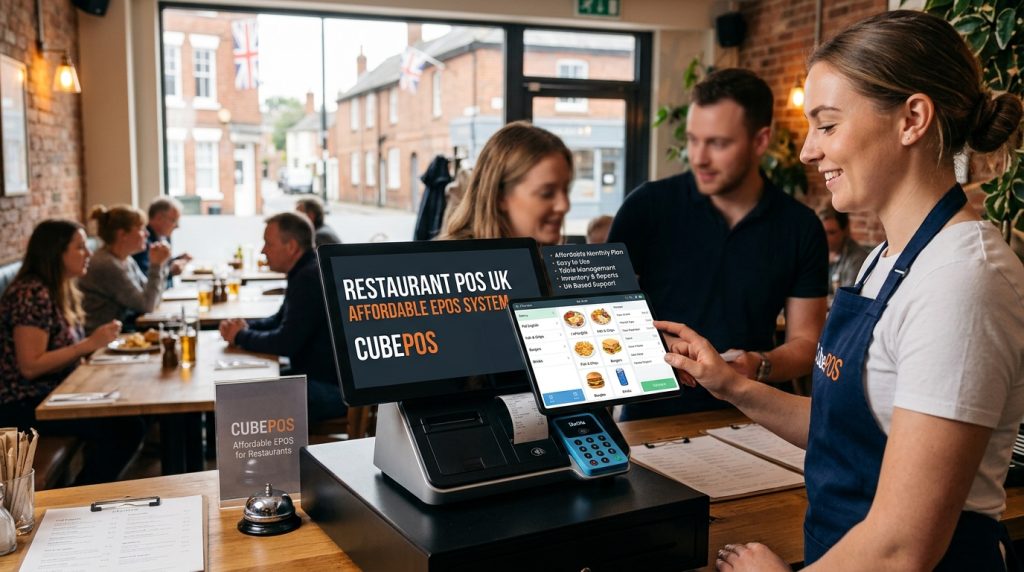
While speed is a priority for cafes, full-service dining establishments require a broader range of functionalities to manage complex table services and kitchen communication. Implementing a robust Restaurant POS system UK allows for a unified approach to business management. These systems act as the bridge between the dining floor and the kitchen, ensuring that dietary requirements and specific table requests are transmitted accurately and in real-time.
Furthermore, the modern UK diner expects flexibility when it comes to the final bill. Integrated systems that facilitate easy bill splitting and support various contactless payment methods—including mobile wallets and “pay-at-table” options—significantly improve guest satisfaction. Beyond the front-of-house, these platforms provide managers with deep analytical insights into inventory levels, staff performance, and peak sales periods, allowing for data-driven decisions that protect profit margins.
Why Digital Integration Matters
Investing in high-quality management technology offers several long-term benefits for hospitality professionals:
- Inventory Control: Real-time tracking helps reduce food waste and ensures popular items are always in stock.
- Staff Empowerment: User-friendly interfaces reduce the training time for new employees and minimize manual entry errors.
- Customer Loyalty: Integrated CRM tools allow businesses to reward regular guests through digital points and personalized offers.
By choosing the right technical infrastructure, hospitality businesses can move away from administrative headaches and return their focus to the art of hospitality. Whether it is serving a perfectly extracted espresso or a multi-course dinner, the right back-end support ensures that every transaction is as refined as the menu itself. In 2026, the establishments that thrive will be those that successfully pair human passion with digital precision.
